



What Hard Water Actually Is, and Why Blonde Hair Shows It First
Hard water contains calcium and magnesium that build up on the hair shaft over time, coating each strand and blocking light reflection. On blonde and lightened hair, this shows up as dullness, stiffness, and a flat, straw-like look — separate from brassiness, and separate from ordinary dryness. The fix is a periodic clarifying wash to remove buildup, followed by deep hydration to restore softness.
What Hard Water Actually Is, and Why Blonde Hair Shows It First
"Hard water" simply means water with a higher-than-average mineral content, mostly calcium and magnesium picked up as it passes through soil and rock before reaching your pipes. It's extremely common — a large share of North American households have moderately to very hard water — and it's completely invisible in a glass of drinking water. On hair, it's a different story.

Every time hard water rinses over hair, trace amounts of calcium and magnesium can bond to the outer layer of the strand, the cuticle. On dark hair, a thin mineral film is barely noticeable. On blonde, lightened, or highlighted hair, it's a different story: lighter strands have less natural pigment to mask the effect, and porous, color-treated hair has more lifted cuticle scales for minerals to cling to. The result is a dulling film that builds up wash after wash until it's thick enough to visibly flatten shine and color vibrancy.
Signs You're Dealing with Hard Water Buildup
Hard water buildup tends to show up as a cluster of small, easy-to-dismiss symptoms rather than one obvious sign. If more than one of these sounds familiar, mineral buildup is worth investigating.
- Hair feels waxy, stiff, or "squeaky" right after rinsing — not soft, even with conditioner.
- Shampoo barely lathers, no matter how much product you use.
- Color looks dull or flat within days of a salon visit, even before any brassiness returns.
- Toner or color doesn't seem to take evenly, leaving patchy or muted results.
- Hair feels increasingly dry or brittle over time, despite using the same hydrating routine that used to work fine.
- A visible film or slight discoloration builds up if hair is left to air-dry without brushing.
Hard Water vs. Brassiness vs. Product Buildup: How to Tell the Difference
These three issues get confused constantly because they can all leave blonde hair looking "off" — but each one needs a different fix. Toning shampoo won't clear mineral deposits, and a clarifying wash won't cancel brassy tones.
Hard water buildup
- Hair feels stiff or waxy, not just dry
- Shampoo won't lather properly
- Dullness persists even right after toning
Brassiness
- Hair looks yellow, orange, or warm-toned
- Color shifts warmer between salon visits
- Hair still feels soft, just off-color
Product buildup
- Hair looks weighed down or greasy fast
- Caused by styling products, dry shampoo, or silicones
- Usually improves with a normal wash, unlike mineral buildup
In practice, hard water and brassiness often show up together, especially for anyone toning regularly in a hard water area. If your hair looks dull and warm-toned, you likely need both a clarifying step and your usual toning routine, just not on the same wash day.
How to Remove Hard Water Buildup from Blonde Hair
Fixing existing buildup takes two steps: clear the mineral film, then replace the moisture that clarifying inevitably strips out. Skipping the second step is the most common mistake, and it's why some people try a clarifying shampoo once, find their hair feels drier, and give up on the idea entirely.
Step 1: Clarify
Use a clarifying or chelating shampoo once every one to two weeks. This type of formula is specifically designed to lift mineral deposits and product residue that a regular shampoo can't fully remove. Don't use it more often than that, since clarifying formulas are more stripping by design.

Step 2: Deep hydrate immediately after
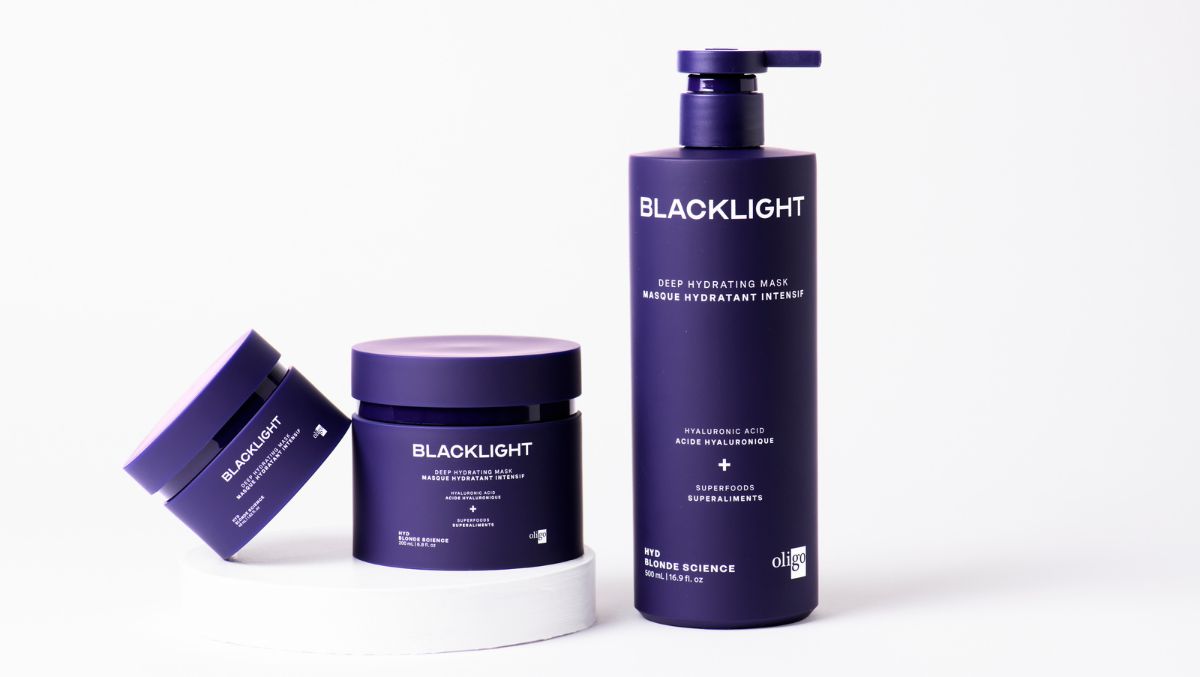
Follow every clarifying wash with a deep hydrating mask, not just a regular conditioner. Removing the mineral film also removes some of the surface protection it was accidentally providing, so hair needs an immediate moisture boost to avoid feeling stripped or straw-like in the hours after.
Step 3: Rebuild your regular routine with hydration in mind
Once buildup is cleared, keep dullness from creeping back by leaning on hydrating shampoo and conditioner for your everyday wash days, saving toning shampoo for brassiness specifically. Our complete shampoo guide breaks down how to combine hydrating, toning, and repair formulas without overloading your routine.
How to Prevent Hard Water Buildup Going Forward
A clarifying wash treats existing buildup, but if you shower in hard water daily, the film will start reforming right away unless you address the source too.
- Install a shower head filter. A filter rated for hard water reduces the calcium and magnesium reaching your hair in the first place, so buildup accumulates far more slowly between clarifying washes.
- Rinse with cooler water when possible. Very hot water can make mineral deposits bond more readily to the cuticle; lukewarm rinses are gentler on lightened hair.
- Keep a light hydrating oil in rotation. A lightweight finishing oil adds a protective layer that can help reduce how much mineral residue clings to the hair between washes.

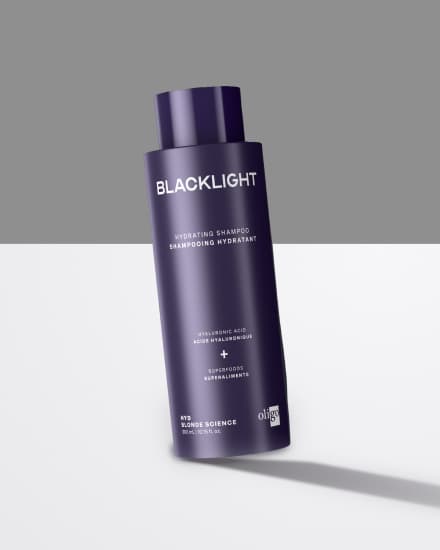
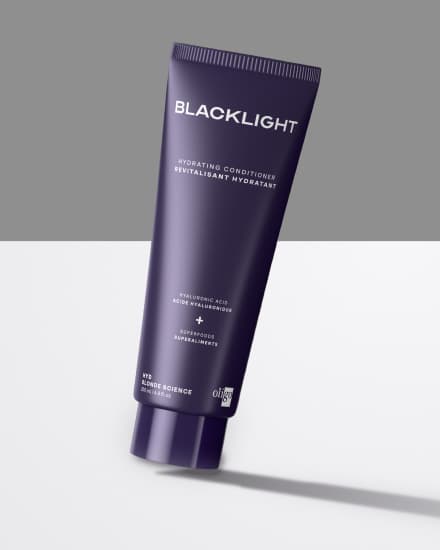
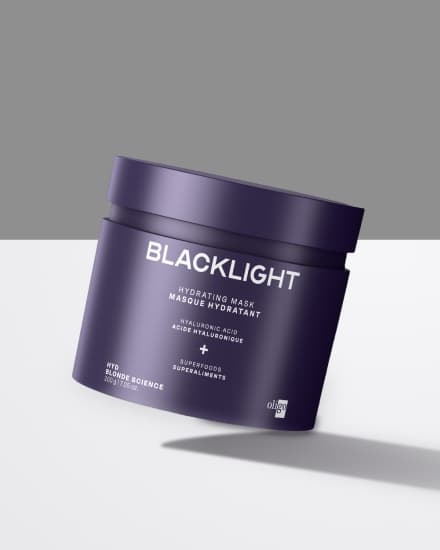
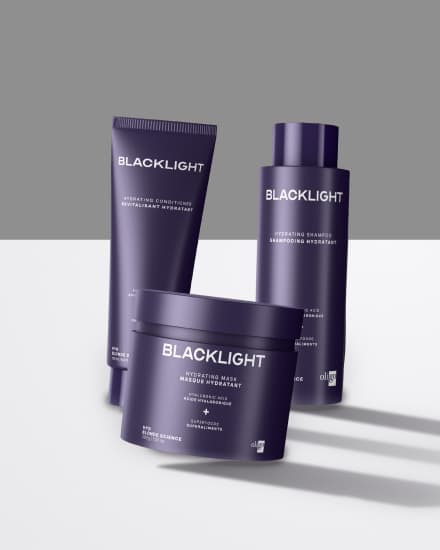
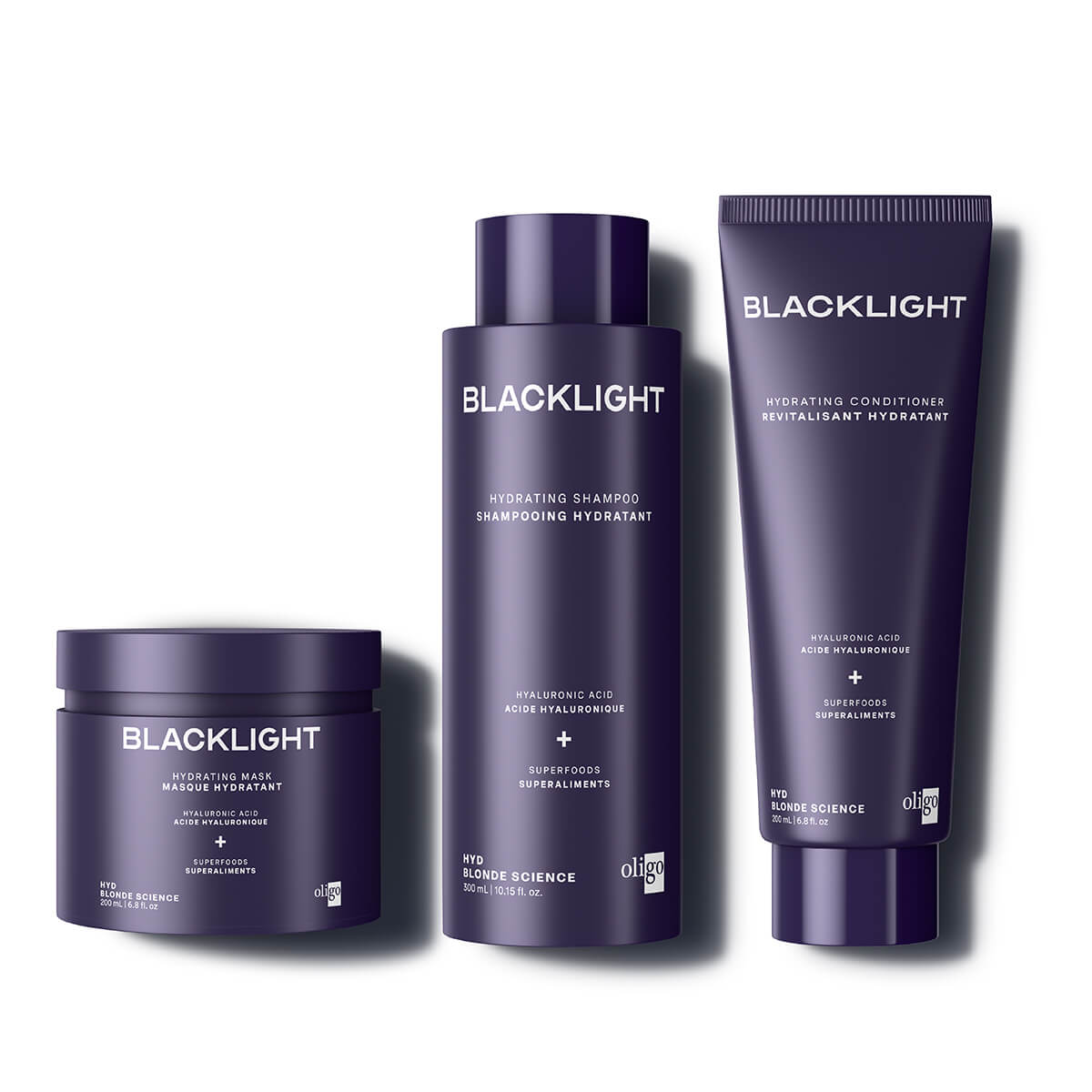
Want a packaged version of a full hydration routine? See how our Hydrating Collection pairs shampoo, conditioner, and mask for dry, dull, or mineral-affected blonde hair.
Frequently Asked Questions
Can hard water make blonde hair dull?
Yes. Hard water contains high levels of calcium and magnesium, which build up on the hair shaft over time. This mineral film coats each strand, blocking light reflection and leaving blonde and lightened hair looking dull, flat, or straw-like even right after washing.
How do I know if hard water is affecting my hair?
Common signs include hair that feels waxy, stiff, or squeaky right after rinsing, color that seems to fade unevenly or won't lift properly, shampoo that doesn't lather well, and dullness that toning shampoo doesn't seem to fix. If a clarifying shampoo noticeably restores shine and softness, hard water buildup was likely the cause.
Is hard water buildup the same as brassiness?
No. Brassiness is a color issue caused by warm underlying pigment showing through as blonde hair fades. Hard water buildup is a mineral deposit issue that causes dullness, stiffness, and a flat appearance. The two can happen at the same time, but they need different fixes: a toning shampoo for brassiness, and a clarifying treatment for mineral buildup.
How do you get hard water minerals out of blonde hair?
A clarifying or chelating shampoo used every one to two weeks is the most effective way to remove mineral buildup from hard water. Follow it with a deep hydrating mask, since clarifying formulas can leave hair temporarily feeling stripped of moisture.
Does hard water affect hair dye and toner?
Yes. Mineral buildup on the hair shaft can create an uneven surface that makes color and toner deposit unevenly, which is why some people notice their toning shampoo or salon color doesn't look as vibrant or doesn't last as long as expected. Clarifying hair before a color or toning session helps the product perform as intended.
Can a shower filter fix hard water hair problems?
A shower filter designed to reduce hard water minerals can help prevent future buildup, but it won't remove mineral deposits that have already accumulated on the hair shaft. Most people benefit from combining a shower filter for prevention with an occasional clarifying wash to remove existing buildup.
Restore the Shine Hard Water Took Away
Hydrating shampoo, conditioner, and deep mask — science-led formulas for dull, dry, or mineral-affected blonde hair, made in Quebec.
Shop the Hydrating Collection Try a Mini First (60ml)
Discover Your Ideal Haircare Routine
Answer a few quick questions to get your personalized routine (and receive a gift!).


