

How to Keep Blonde Hair Bright and Brass-Free
To keep blonde hair bright and brass-free: use a violet or blue toning shampoo 1–2 times per week (violet for yellow tones, blue for orange tones), wash with a sulfate-free hydrating shampoo on other days, apply a heat protectant before every styling session, and use a repair mask weekly to seal the cuticle and lock in tone. Start toning immediately after colouring — don't wait for brassiness to appear.
Why Blonde Hair Turns Brassy
Brassiness isn't a flaw in your colour — it's a predictable chemical process. When hair is lightened, blue pigment molecules (the ones that keep hair looking cool and ash-toned) are the smallest in the hair shaft. They fade out first, leaving the warmer yellow and orange pigments behind. The result is the warm, brassy tone that appears weeks after a salon appointment. If brassiness has already set in, our companion guide walks through exactly how to correct it: How to Fix Brassy Hair at Home.
Several external factors accelerate this process significantly:
| Factor | How it causes brassiness |
|---|---|
| UV exposure | Photooxidation breaks down colour molecules — blue pigments are most vulnerable |
| Hard water minerals | Iron and copper deposit on hair, directly shifting tone toward yellow and orange |
| Sulfate shampoos | Strip colour molecules (especially blue) with every wash, accelerating fading |
| Heat styling | Opens the cuticle, allowing pigment to escape faster |
| Chlorine | Acts as an oxidizing agent — the same chemistry as bleaching, at low concentration |
| High porosity | Porous hair (from bleaching or damage) absorbs and loses pigment faster |
Use the Right Toning Shampoo
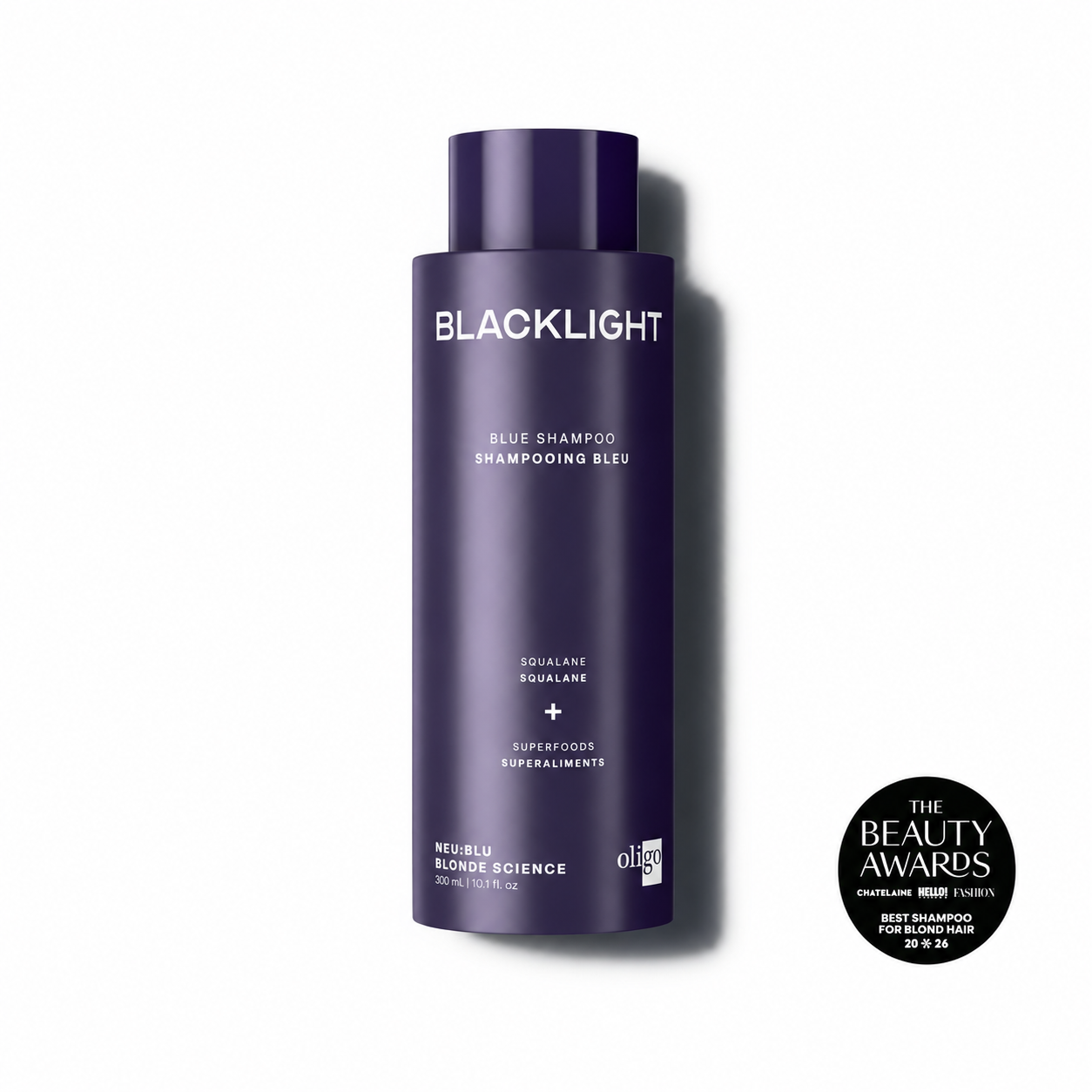
Toning shampoos are the single most impactful at-home tool for keeping blonde hair bright. They work by colour theory: pigments on opposite sides of the colour wheel cancel each other out. Violet cancels yellow. Blue cancels orange. Matching your shampoo to your specific brassiness type is critical — the wrong product won't correct your tone, and blue on pale yellow hair can turn it greenish.
Which toning shampoo do you need?
| Your hair shows… | Use this | Best for |
|---|---|---|
| Yellow / pale gold | Violet Shampoo + Violet Conditioner | Platinum, icy blonde, silver, grey, light highlights |
| Orange / copper / brassy warm | Blue Shampoo + Blue Conditioner | Dark blonde, balayage, bronde, light brunette |
| Both yellow and orange | Alternate violet and blue on different wash days | Balayage, ombré, multi-tonal lightened hair |


Not sure which is right for you? Read our full guide: Blue vs Violet Shampoo & Conditioner: What's the Difference?
Hydrate Blonde Hair Regularly
Lightened hair is more porous than natural hair — the bleaching process opens and roughens the cuticle, making strands more prone to dryness, frizz, and breakage. Hydration is not optional for maintaining bright blonde hair; it is foundational. Dry, porous hair loses colour molecules faster and looks dull regardless of how well you tone it.
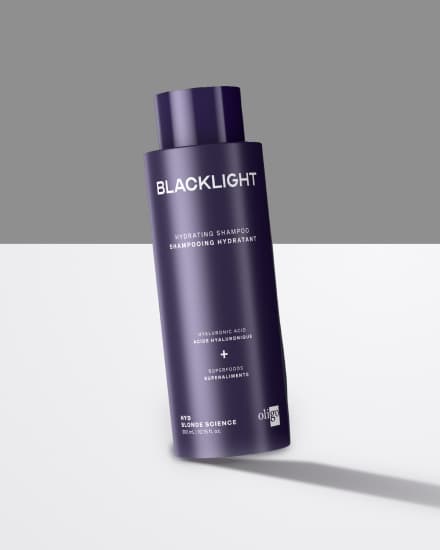
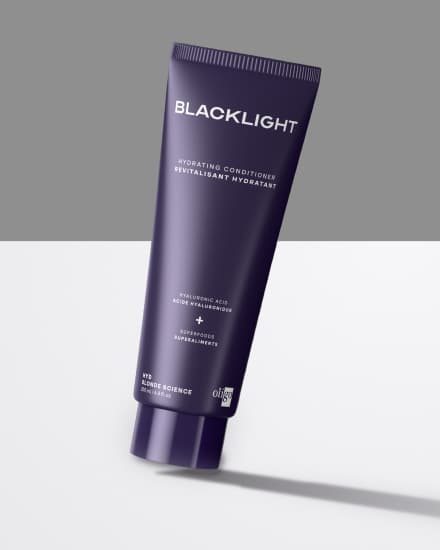
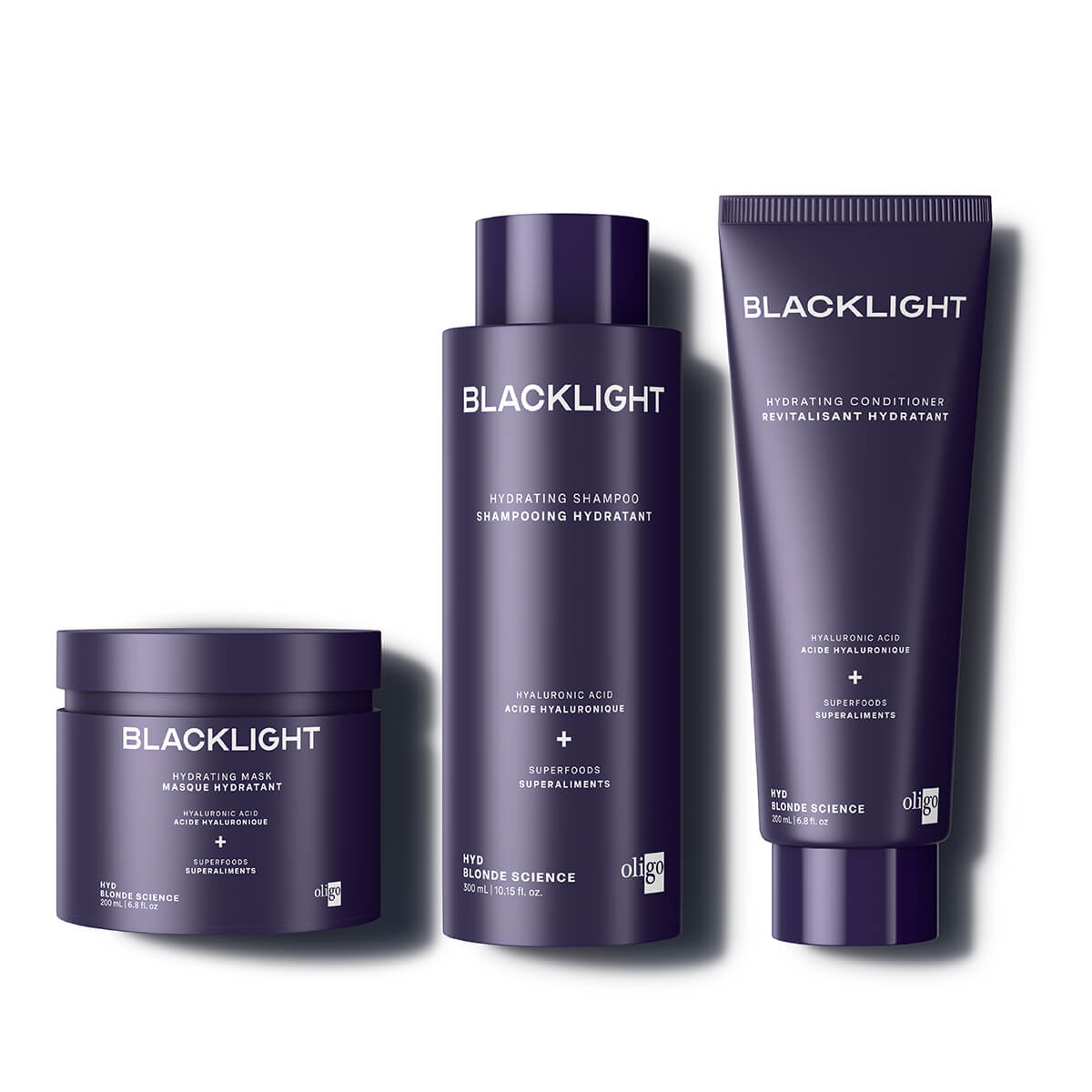
On the days you are not using a toning shampoo, reach for a gentle, sulfate-free hydrating shampoo that cleanses without stripping the colour or natural oils your hair needs. Follow every single wash — toning or hydrating — with a conditioner.

Protect Hair From Heat Styling
Heat is one of the fastest routes to brassiness outside of UV exposure. Flat irons, curling wands, and blow dryers open the hair cuticle through heat — and an open cuticle lets pigment (especially the small, fragile blue molecules) escape far more easily. Regular heat styling without protection is essentially accelerating every wash cycle: you are losing colour without the cleaning benefit.
A heat protectant applied before every hot tool session creates a barrier that helps the cuticle stay closed during heat exposure, significantly slowing pigment loss and reducing the physical damage that makes hair more porous over time.
Heat protection tips for blondes:
- Apply heat protectant to towel-dried hair before blow drying — not after
- Use the lowest effective heat setting for your hair type
- Avoid blow drying soaking-wet hair directly — rough dry with a towel or microfibre first
- Let hair air dry partially before finishing with a dryer when possible
Strengthen Hair With Repair Treatments
Bleached and lightened hair has a structurally compromised cortex — the bleaching process breaks down some of the protein bonds that give hair its strength and elasticity. A weakened cortex means a raised, uneven cuticle: exactly the condition that causes colour loss, dullness, and frizz.
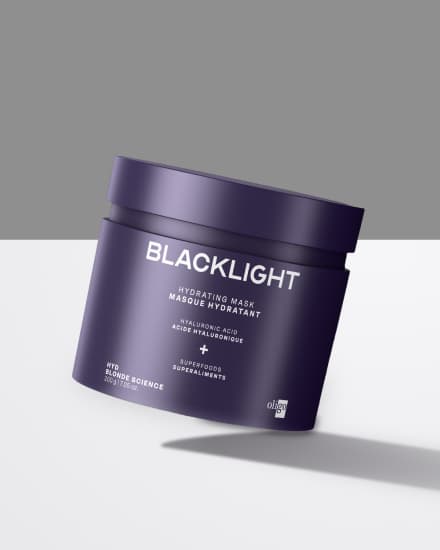
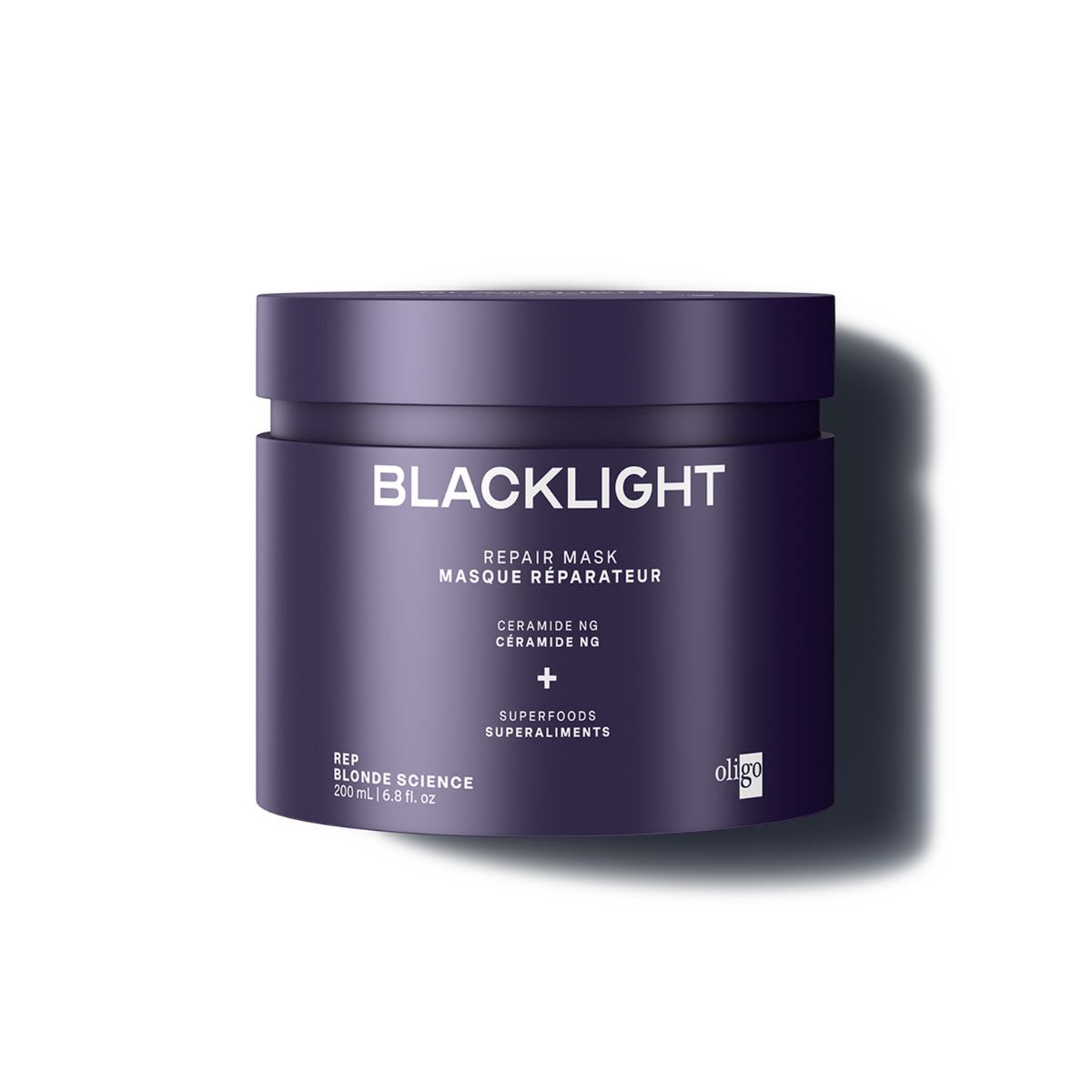
Using a repair mask weekly is one of the highest-impact habits for maintaining bright, healthy blonde hair. A good repair mask penetrates the cortex to reinforce the hair's internal structure, smooths the cuticle from the outside, and seals in the moisture and toning pigment from your other products. The result is hair that not only looks better, but holds colour longer.

Protect From UV and Hard Water
UV exposure
UV rays break down colour molecules in hair through photooxidation — the same process that fades fabric in sunlight. Blue pigment molecules are especially vulnerable. Every hour of unprotected sun exposure accelerates the timeline from cool-toned blonde to brassy. In summer or in sunny climates, UV protection for hair is essential maintenance, not an optional extra.
Hard water minerals
Hard water contains elevated levels of calcium, magnesium, iron, and copper. These minerals deposit on the hair shaft with every shower, building up over time. Iron and copper in particular can directly shift blonde hair toward yellow, orange, or even greenish hues — entirely independently of your toning routine. If you live in an area with hard water, a monthly clarifying treatment removes mineral buildup and allows your toning products to work on clean, unobstructed hair.
Your Complete Brass-Free Routine
Here is how all of the above comes together into a practical weekly routine for maintaining bright, cool-toned blonde hair. If brassiness has already crept in, start with our correction guide first: How to Fix Brassy Hair at Home — then use the routine below to keep it that way.
Wash days 1 & 2 — Toning shampoo + conditioner
Use your violet or blue toning shampoo 1–2 times per week. Leave on 1–3 minutes (violet) or 2–5 minutes (blue). Follow immediately with the matching toning conditioner.
Other wash days — Hydrating shampoo + conditioner
On non-toning days, use a sulfate-free hydrating shampoo and conditioner to cleanse without stripping colour or moisture.
Once per week — Repair mask
Apply the Repair Mask to clean, towel-dried hair. Leave on 5–10 minutes before rinsing. This seals the cuticle and extends how long your tone stays cool.
Every styling session — Heat protectant
Apply heat protection before any blow drying, flat ironing, or curling. This is non-negotiable for maintaining colour integrity over time.
Between washes — Neutralizing spray
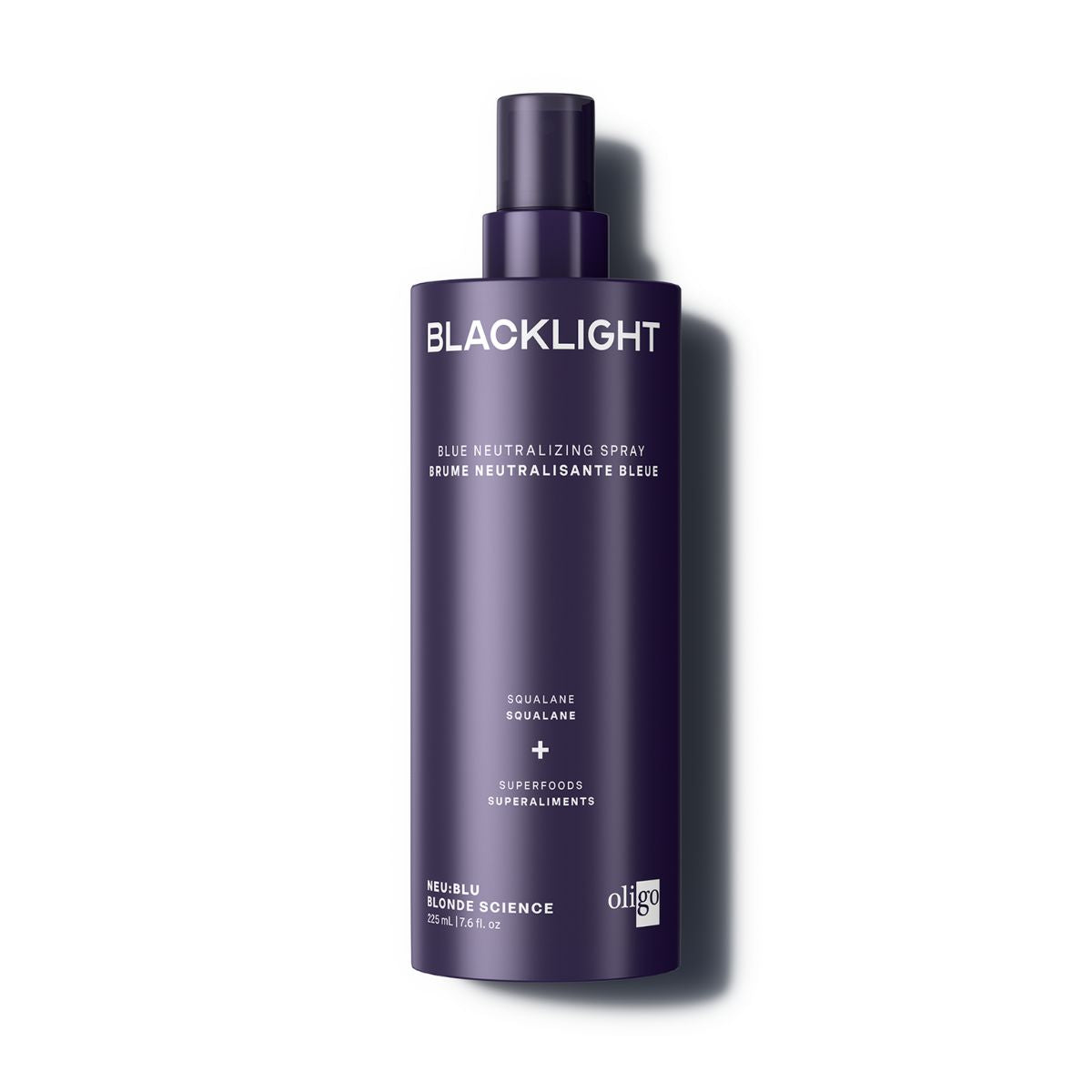
Use the Violet or Blue Neutralizing Spray on day 2–3 hair to refresh your tone without a full wash.
Quick-Reference Routine Checklist
- Use a violet or blue toning shampoo 1–2× per week, starting at your first post-colour wash
- Follow every wash with a hydrating or toning conditioner
- Apply a repair mask once per week on towel-dried hair
- Use a sulfate-free hydrating shampoo on non-toning wash days
- Apply heat protectant before every hot tool session
- Use a neutralizing spray between washes to top up tone
- Address hard water with a monthly clarifying treatment if needed
- Protect hair from sun exposure, especially in summer
Frequently Asked Questions
Why does blonde hair turn yellow or brassy?
Blonde hair turns yellow or brassy because lightening exposes warm underlying pigments (pheomelanin) in the hair shaft. Blue pigment molecules — the ones that keep hair cool and ash-toned — are the smallest and fade the fastest with each wash. Once they're gone, the warm yellow and orange pigments dominate. UV exposure, hard water minerals, sulfate shampoos, heat styling, and chlorine all accelerate this process. Read the full science in our guide: Why Does Blonde Hair Turn Brassy?
How do you keep blonde hair from turning brassy?
The most effective strategies are: (1) use a violet or blue toning shampoo 1–2 times per week starting immediately after colouring; (2) switch to a sulfate-free shampoo for everyday washing; (3) apply heat protectant before every hot tool use; (4) protect hair from UV exposure; (5) use a weekly repair mask to seal the cuticle; (6) address hard water with a monthly clarifying treatment if needed.
How often should you use purple or violet shampoo?
Most blondes should use violet or purple shampoo 1–2 times per week. Using it every wash can over-deposit pigment, leaving a purple or lavender tint, or dry out hair over time. On non-toning wash days, use a gentle sulfate-free hydrating shampoo instead to maintain moisture without over-toning.
What products help keep blonde hair bright?
The core products for maintaining bright blonde hair are: a violet or blue toning shampoo matched to your brassiness type, a hydrating conditioner, a weekly repair mask, and a heat protectant for styling. For on-the-go toning between washes, a violet or blue neutralizing spray is also highly effective.
Can hard water affect blonde hair colour?
Yes. Hard water contains elevated levels of minerals including calcium, magnesium, iron, and copper. These minerals deposit onto the hair shaft with every shower and can directly shift the tone of blonde hair toward yellow, orange, or even greenish hues. The mineral buildup also raises the cuticle, making hair more porous and more vulnerable to colour fading. A monthly clarifying treatment removes buildup and allows toning products to work more effectively.
Does violet shampoo or blue shampoo work better for blonde hair?
It depends on your undertone. Violet shampoo is better for light blonde, platinum, silver, and grey hair showing yellow brassiness — violet cancels yellow on the colour wheel. Blue shampoo is better for dark blonde, balayage, and light brunette hair showing orange or copper brassiness — blue cancels orange. Using the wrong one will be ineffective, and using blue on very pale yellow hair can cause a greenish tint. Learn more in our guide: Blue vs Violet Shampoo: What's the Difference?
How do I keep my blonde hair healthy between salon visits?
Between salon visits: use a toning shampoo 1–2 times per week starting from your first post-colour wash, follow with a hydrating conditioner every wash, apply a repair mask weekly, protect hair from heat with a protectant before every styling session, limit sun exposure or use UV-protective products, and avoid sulfate shampoos that strip colour faster. A neutralizing spray between washes helps top up tone without a full wash.
Does heat styling make blonde hair brassy?
Yes. Heat from flat irons, curling wands, and blow dryers opens the hair cuticle, allowing colour molecules — especially the small blue ones that keep hair cool-toned — to escape more easily. Regular heat styling without protection accelerates colour loss and makes hair more porous over time. Using a heat protectant before every styling session creates a barrier that helps slow this process.
Build Your Brass-Free Blonde Routine
Shop toning shampoos, hydrating conditioners, repair masks, and neutralizing sprays — all formulated with science-led blonde hair care.
Shop Toning Products View Hair Bundles (Save up to 20%)
Discover Your Ideal Haircare Routine
Answer a few quick questions to get your personalized routine (and receive a gift!).


