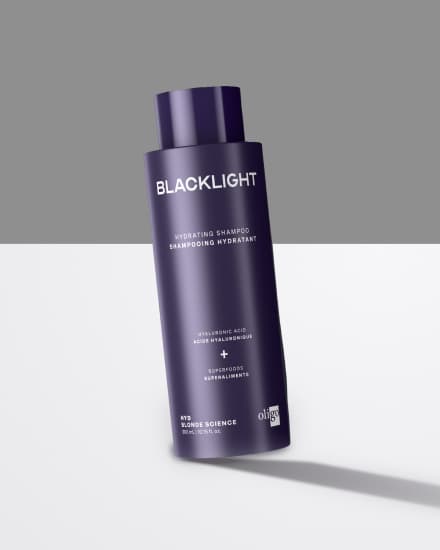
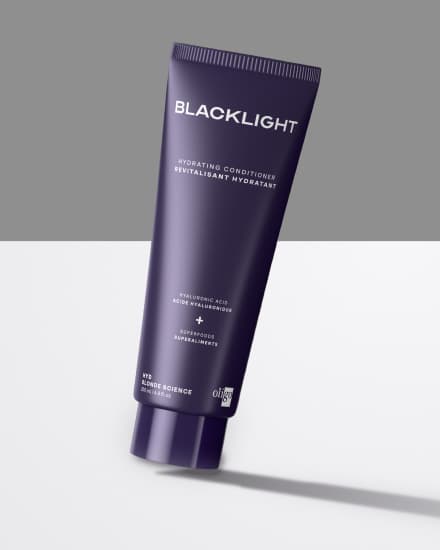
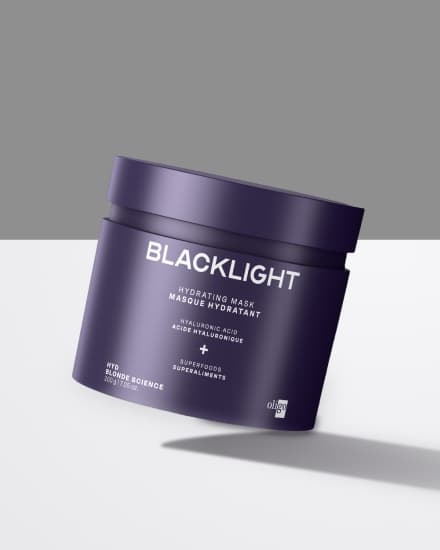
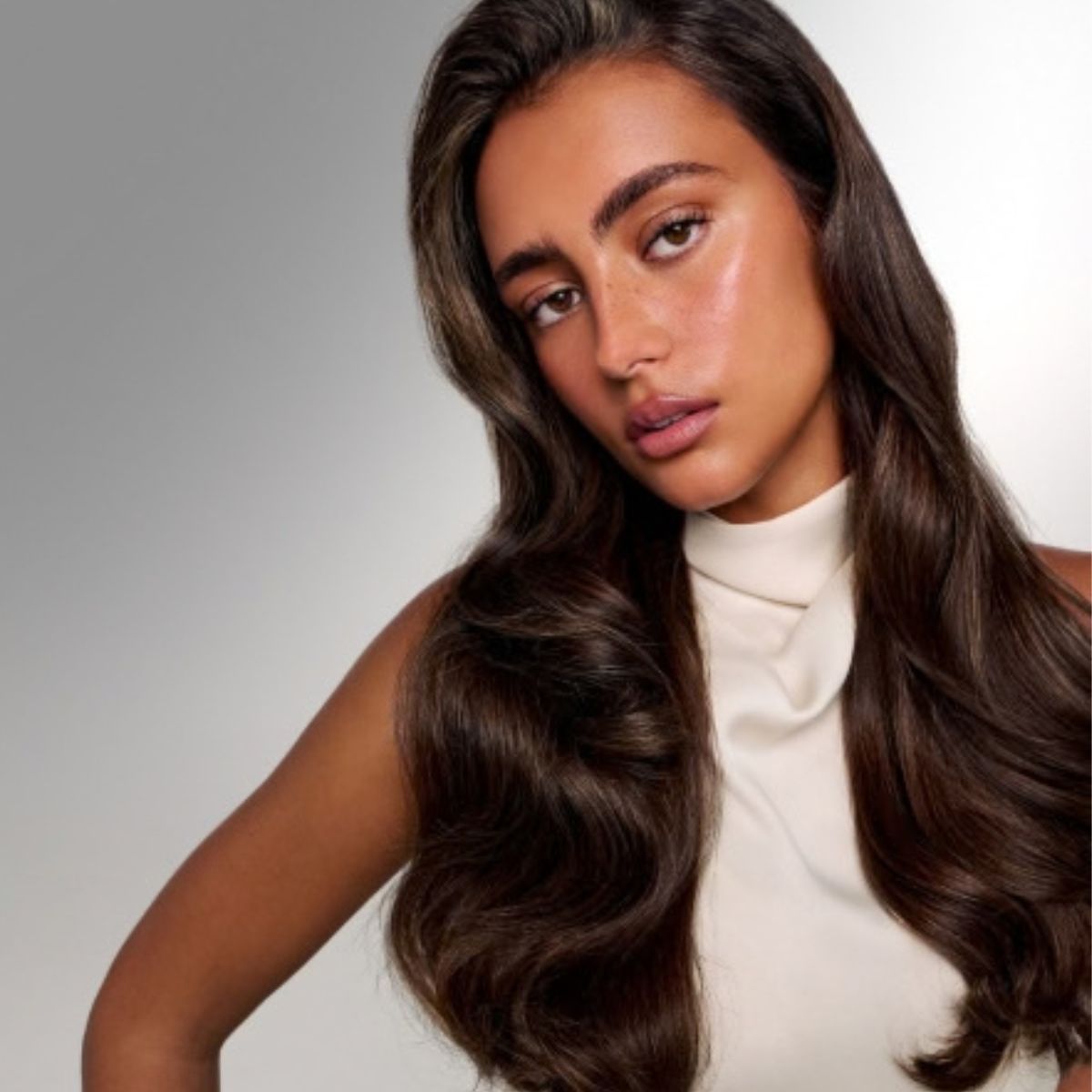


Cleanse gently, 2–3 times a week
Use the Repair Shampoo. Focus on the scalp and let the lather rinse through the lengths. Washing less often helps fragile hair keep its natural oils.

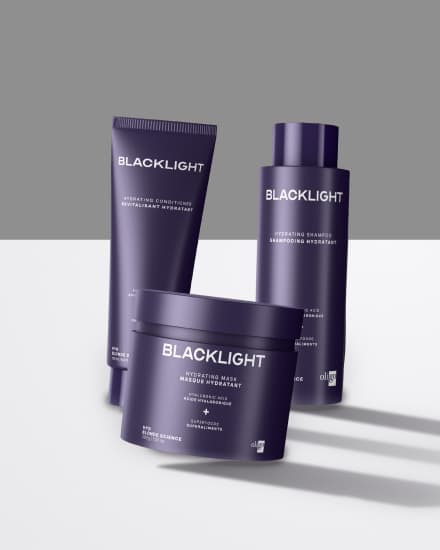
Featured products
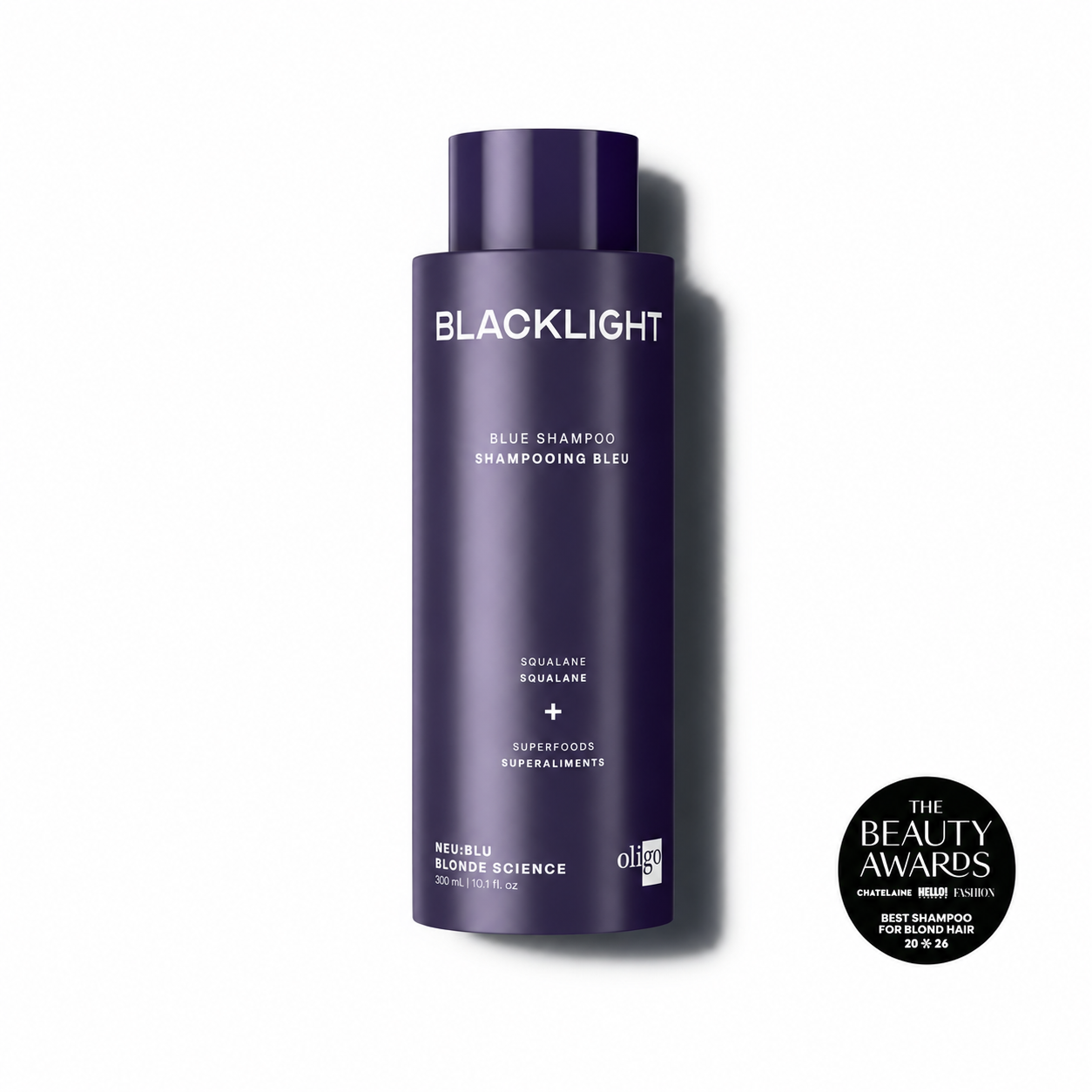
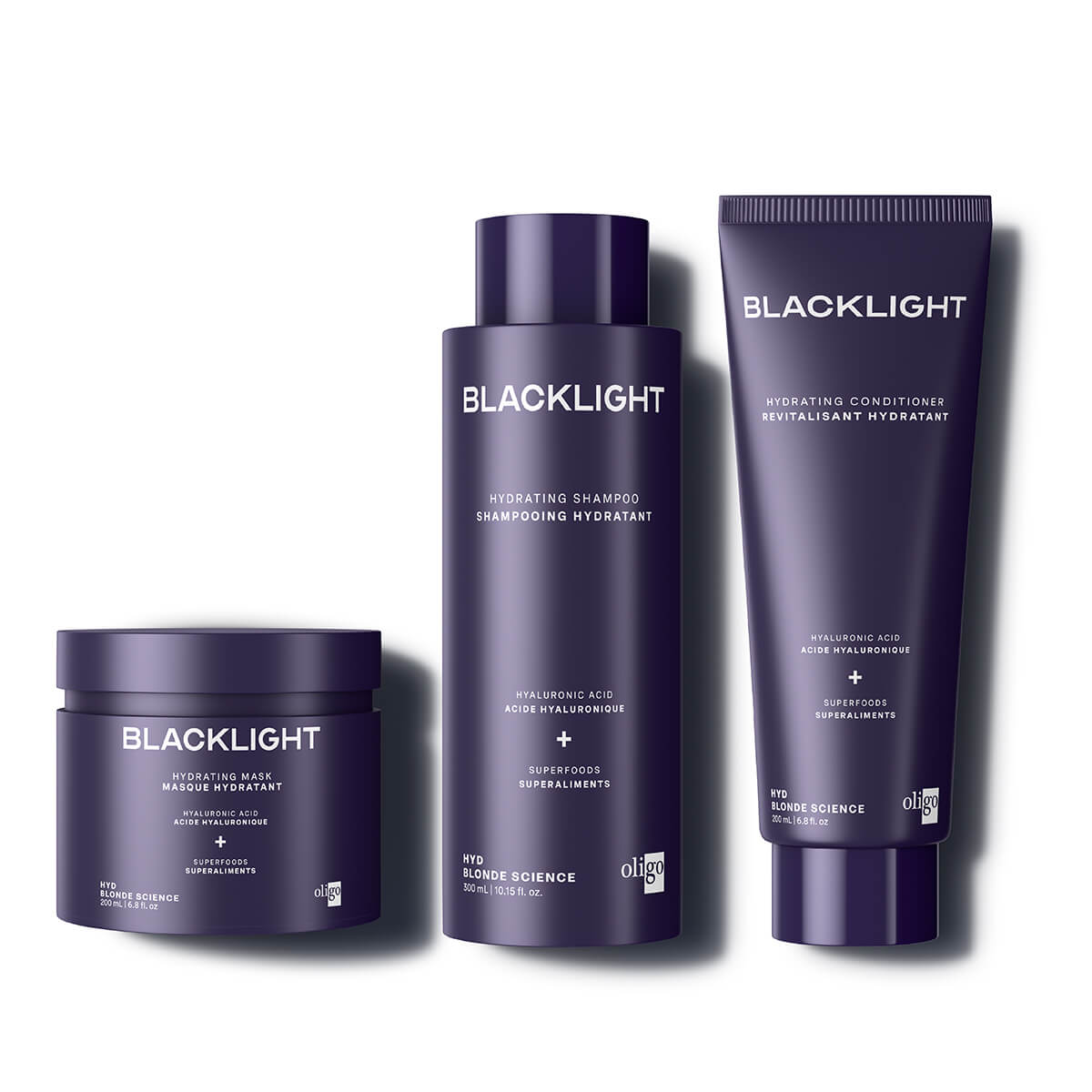
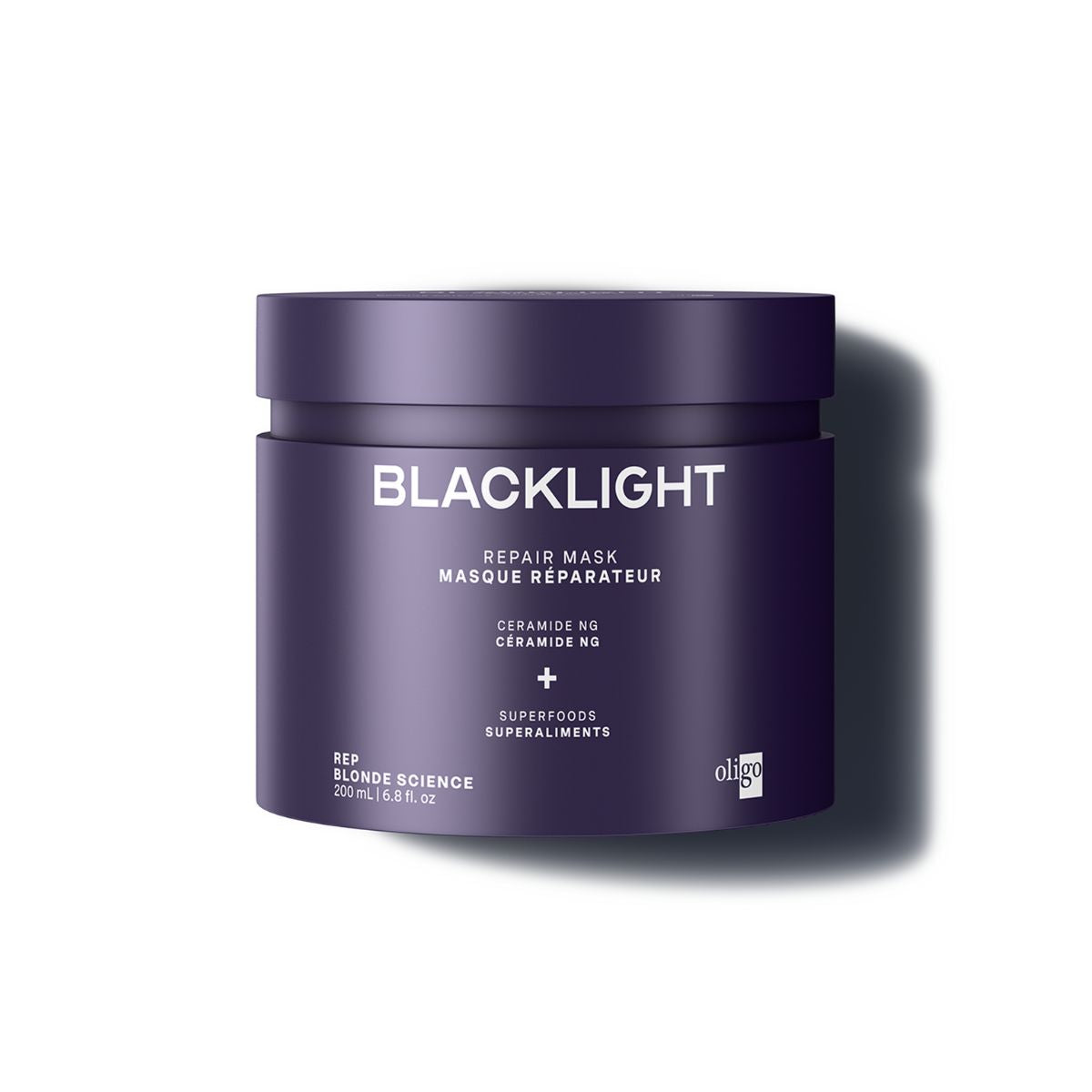
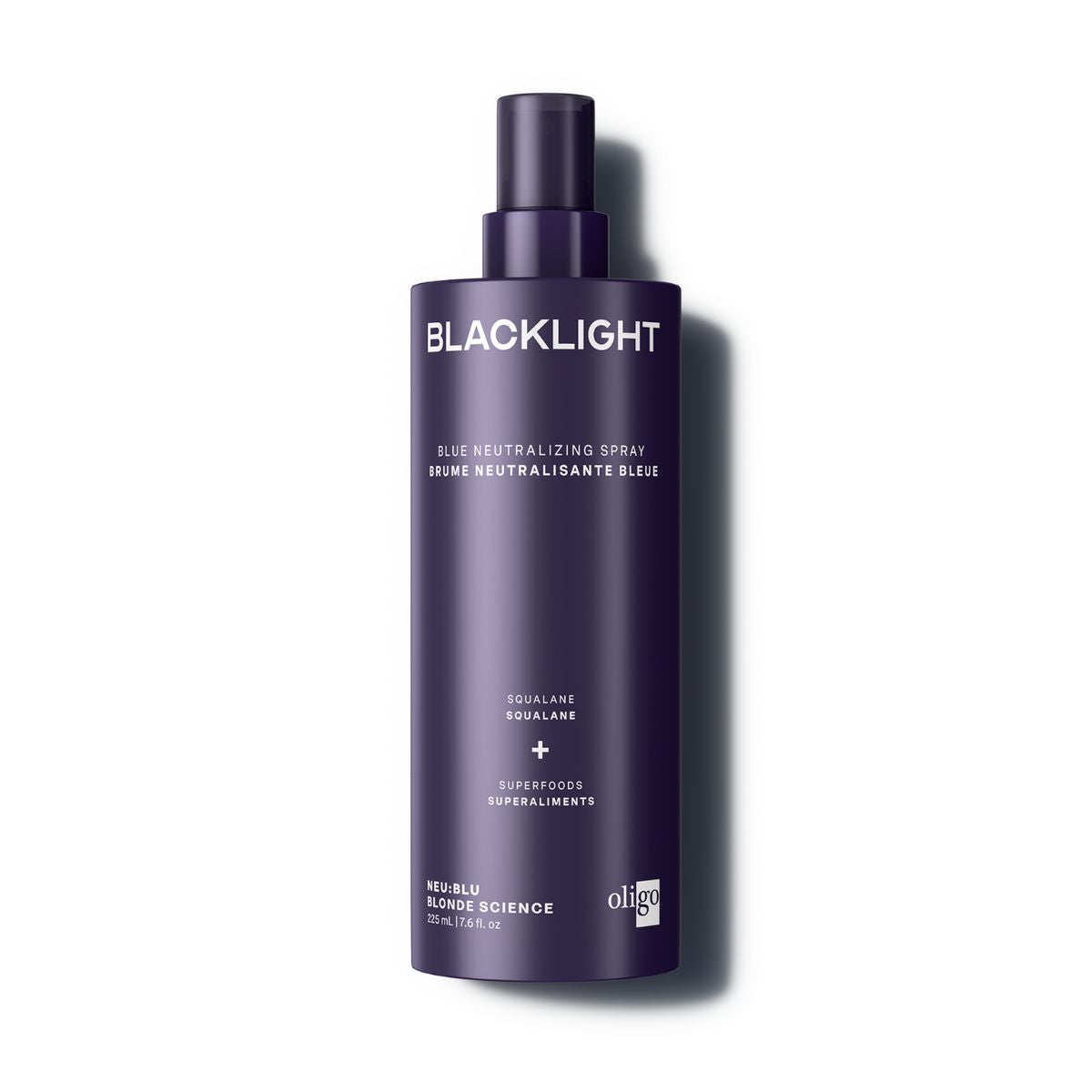
To repair bleach-damaged blonde hair: wash with a gentle repair shampoo, follow every wash with a repair conditioner, use a repair mask once or twice a week for 5–10 minutes, apply a leave-in conditioner with heat protection before styling, and trim split ends every 8–12 weeks. Repair products strengthen and smooth the hair you have; ends that are already split can only be cut, not glued back together.
To lift your hair to blonde, bleach has to get inside the strand. It raises the outer cuticle layer, then breaks down the natural pigment in the cortex. That process also weakens the internal bonds that give hair its strength and elasticity. The result is hair that is more porous, loses moisture faster and breaks more easily.
Lightened hair needs a routine built for its structure, not just its colour.
Before choosing products, check what your hair is telling you. These three at-home tests take two minutes.
Gently stretch one wet strand. Healthy hair stretches slightly and bounces back. Hair that stretches like gum or snaps right away needs repair.
Slide your fingers from mid-length to ends. Rough, straw-like or tangled ends mean a raised cuticle and lost moisture.
Look at your brush and towel. Short broken pieces, flyaways along the crown and visible split ends are signs of weakened strands.
| What you notice | What it usually means | Focus on |
|---|---|---|
| Stretchy, gummy when wet | Weakened internal structure | Repair mask, gentle handling |
| Snaps easily, short broken hairs | Brittle, low elasticity | Repair mask + leave-in, less heat |
| Rough, dull, frizzy ends | Raised cuticle, moisture loss | Repair conditioner + oil on ends |
| Split ends | Ends already broken | Trim, then protect new length |
Repairing bleached hair is about consistency, not one miracle product. This is the routine we recommend for blonde, highlighted and lightened hair.
Use the Repair Shampoo. Focus on the scalp and let the lather rinse through the lengths. Washing less often helps fragile hair keep its natural oils.
Apply the Repair Conditioner from mid-length to ends, detangle with your fingers or a wide-tooth comb, then rinse.
Replace your conditioner with the Repair Mask. Leave it on 5–10 minutes so it can work into the lengths, then rinse.
On towel-dried hair, apply the Repair Leave-In Conditioner. It smooths frizz, adds shine and protects from heat.
Finish with a drop of Hair and Scalp Oil on dry ends to smooth split ends and frizz.
See the repair routine in action.
Products repair; habits prevent. These five changes protect the progress you make every week.
Dry and damaged look alike, but they need different care. Many lightened blondes need both, alternating through the week.
| Your hair is… | Main need | Start with |
|---|---|---|
| Breaking, stretchy, weak after bleaching | Repair (strength) | Repair collection |
| Dry, dull, rough but not breaking | Hydration (moisture) | Hydrating collection |
| Both breaking and dry | Both | Repair Shampoo + Repair Mask, alternating with a hydrating mask |
| Also turning yellow or orange | Repair + toning | Add a toning shampoo 1–2× a week |
Every head of hair is different, but this is what a consistent repair routine typically looks like:
| Timeframe | What you can expect |
|---|---|
| First wash | Softer feel, easier detangling, more shine |
| 2–4 weeks | Less frizz and fewer broken pieces in your brush |
| 6–8 weeks | Stronger, more elastic lengths that hold style and tone longer |
| Ongoing | New growth stays healthier as damaged ends are trimmed away |
Can bleach-damaged hair be repaired?
Yes, it can be significantly improved. Repair shampoos, conditioners and masks strengthen and smooth the existing strand, reduce breakage and restore softness and shine. Ends that are already split can't be fused back together, so regular trims are part of any repair routine.
How long does it take to repair bleached hair?
Most people notice softer, more manageable hair after the first wash, less breakage within 2 to 4 weeks, and stronger, more elastic lengths after 6 to 8 weeks of consistent use. Fully replacing heavily damaged lengths takes as long as it takes your hair to grow and be trimmed.
How often should I use a repair mask on bleached hair?
Use a repair mask once or twice a week in place of your conditioner, leaving it on for 5 to 10 minutes. Very damaged hair can start at twice a week, then move to once a week as it gets stronger.
What is the difference between dry hair and damaged hair?
Dry hair lacks moisture and feels rough or dull but keeps its strength. Damaged hair has a weakened internal structure, so it stretches, snaps or splits. Dry hair mainly needs hydrating products; damaged hair needs repair products, and bleached hair often needs both.
Should I cut off bleach-damaged hair?
You don't need a big chop. Trimming split ends every 8 to 12 weeks stops splits from travelling up the strand, while a repair routine strengthens the rest of your length. If ends break when gently stretched, ask your stylist to remove just those sections.
Can I use purple shampoo on damaged hair?
Yes, but use it gently. Porous, damaged hair absorbs pigment quickly, so limit toning shampoo to once or twice a week, shorten the leave-on time and follow with a repair conditioner or mask.
Does heat styling make bleach damage worse?
Yes. Heat further weakens hair that bleach has already made fragile. Always apply a heat-protecting leave-in before blow-drying or using hot tools, use the lowest effective temperature and let hair air-dry partly when you can.
What is the best routine for bleached blonde hair?
Wash 2 to 3 times a week with a gentle repair shampoo, condition after every wash, use a repair mask once or twice a week, apply a leave-in with heat protection before styling, seal dry ends with a light oil and trim every 8 to 12 weeks. Add a violet or blue toning shampoo once or twice a week if your blonde turns yellow or orange.
Repair shampoo, conditioner, mask and leave-in, formulated for blonde, highlighted and lightened hair.
Shop the Repair Collection Shop the Repair Bundle
Discover Your Ideal Haircare Routine
Answer a few quick questions to get your personalized routine (and receive a gift!).

FREE SHIPPING
We offer free shipping on orders $49+

FREE GIFT
Receive a free gift on orders $75+

FREE RETURNS
Return unopened products within 30 days. Free and easy.


